
Rust is one of those things that can be pretty difficult and unattractive on household items, garden tools, or any other gear where it forms. There exists a simple, cost-effective, and, if needed, readily available ingredient in your kitchen cupboard – vinegar. Vinegar is well known for its use as a cleaner, a seasoning, and as a very effective remedy for rust. Even though it performs this way, is it a suitable way of clearing off those rusted objects? This article aims to explain the science behind how vinegar can remove rust and provide clear steps for methods that achieve good results while preventing rust from recurring. If you’re looking for a way to remove rust without strenuous activity, consider using vinegar to thoroughly protect your belongings.
Introduction to Vinegar as a Rust Remover
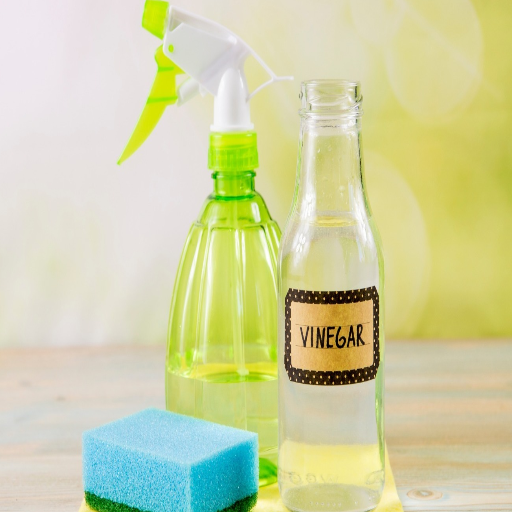
Naturally occurring, as it is a byproduct of acetic acid, vinegar is the best option for removing rust. Submerging oxidized substances in such a fluid enables the acetic acid to come in contact with the rust, react with it, and eliminate the rusty area. Other benefits include that this process does not require hard work and is not expensive, making it ideal for smaller items. It is particularly effective on small- to medium-sized metal objects. The effectiveness of this technique depends on its execution; for example, to maximize rust removal, one could use white vinegar and allow the object to soak for several hours, possibly overnight, if the rust is particularly heavy. If this is the case, cleaned materials should be lightly turned over, rinsed with clean water, and dried to prevent them from rusting again.
The Popularity of Vinegar in DIY Rust Removal
The demand for vinegar as an anti-rust agent has its reasons. This is because it is readily available, inexpensive, and very effective in removing rust. The last five years have seen an upward trend in the number of searches involving the keywords remove rust with vinegar; however, due to a growing need for cost-friendly solutions, among others, this trend is likely to decline shortly. Shoppers prefer this approach as most of them feel it is environmentally friendly, which also saves them money. White vinegar is undoubtedly many people’s preferred brand because it is pure and can be used for a variety of purposes. This indicates that an increasing number of people are adopting eco-friendly cleaning methods, which are free from chemical components.
Benefits of Using Vinegar for Rust Removal
- Eco-Friendly Alternative
Vinegar is an organic, non-hazardous, eco-friendly, and non-rust converter solution. In contrast, most rust converters available today contain harmful chemicals, making them a perfect companion for individuals who practice a green lifestyle.
- Effective on Stubborn Rust
The acid in vinegar breaks down rust and separates its particles, making it easier to remove. Tests have even revealed that vinegar with only 5% acetic acid can help dissolve rust on metallic surfaces within a few hours or overnight.
- Cost-Effective Solution
Vinegar, unlike the shop-specific materials for washing away rust, is very affordable and is found in almost every house. Every bottle of vinegar purchased is guaranteed to be beneficial, as it provides proper results in such instances.
- Safe for Various Materials
Because vinegar has a slight acidity, it is capable of cleaning elements such as enamel and the inner parts of delicate metals like steel and iron. This is a beneficial cleaning agent when trying to figure out how to unscrew tools, pots, pans, or any other rusty things.
- Simple Application Process
Using vinegar to remove rust is a simple and effective solution. All that users have to do is place the rusted item in vinegar or a vinegar-soaked cloth over the wrappings instead of the usual action of scraping the item with stones.
Understanding the Chemical Properties of Vinegar
Concentrated acetic acid (CH₃COOH) makes up 4 to 8% of the vinegar solution, while other ingredients and water constitute the bulk. At the same time, the contents of acetic acid contribute to the sour taste of vinegar, as well as its repugnant odour. It has been noted that acetic acid is a “weak acid” in the chemical world. This is the fact that acetic acid is not fully ionized in water; hence, it cleans properly, without eroding the surfaces that it cleans. Instead, the acid’s chemical structure allows for exchange of ions between these acids (acetic acid) and the grime, thus breaking and washing away the dirt. The acidic property found in vinegar enables it to dissolve certain minerals, helps break down some organic matter into a soluble form, and counteracts basic solutions.
The most up-to-date information correctly points out that vinegar not only cleans and disinfects every surface of the house, but it also finds its applicability in food preservation, as it is unsuitable for bacterial growth at high concentrations. It was also discovered that the acids in vinegar perform another crucial function, postponing the development of harmful microorganisms, such as bacteria and fungi. The pH of the acid and other characteristics, such as its ability to help sterilize, have resulted in the acid being used not only at the factories but also at homes.
How Vinegar Works to Remove Rust

The deliquescent nature of rust is possible when vinegar is incorporated as one of its components. From facial rusting to being treated in vinegar or even poured on a rusty object, the molecular activities on the rust are, however, being intermixed with acetic acid to dissolve the red iron oxide. Consequently, the procedure splits the rust into components that can be dislodged. To achieve optimal results in removing rust, it is advisable to let it sit in vinegar for a few hours or overnight before continuing with its removal.
The Role of Acetic Acid in Rust Dissolution
One of the key roles of acetic acid is to make rust dissolve by reacting with the iron oxide (rust) to form more soluble compounds. In this process, the rust decomposes and is thus easily removed from the metal surface. Acetic acid not only removes rust as expected but can also be used as a mild cleaner; therefore, it will not damage the base metal. Due to its modest antitoxic nature and cost-effectiveness, acetic acid is considered a suitable solution for removing rust from households, offering a win-win strategy for users. When interested in removing stubborn rust, acetic acid can also be used, even when combined with scrubbing or mechanical cleaning, which can help remove the rust.
The Chemical Reaction: Vinegar and Iron Oxides
The chemical reaction between vinegar (acetic acid) and iron oxides produces iron(II) acetate, iron(III) acetate, water, and sometimes hydrogen gas.
|
Key Point |
Details |
|---|---|
|
Reactants |
Vinegar, Rust |
|
Main Product |
Iron Acetates |
|
Byproducts |
Water, Hydrogen |
|
Reaction Type |
Acid-Oxide |
|
Conditions |
Room Temp, Time |
|
Solubility |
High (Iron Acet.) |
|
Color Change |
Reddish Tint |
Comparing Vinegar with Other Rust Removal Methods
Vinegar, baking soda, lemon juice, cream of tartar, and commercial rust removers are standard methods for rust removal, each with varying effectiveness, safety, and environmental impact.
|
Key Point |
Vinegar |
Baking Soda |
Lemon Juice |
Cream of Tartar |
Commercial |
|---|---|---|---|---|---|
|
Effectiveness |
High |
Moderate |
Moderate |
Low |
High |
|
Safety |
High |
High |
High |
High |
Varies |
|
Eco-Friendly |
Yes |
Yes |
Yes |
Yes |
Varies |
|
Cost |
Low |
Low |
Low |
Low |
High |
|
Ease of Use |
Easy |
Easy |
Easy |
Easy |
Moderate |
|
Time Needed |
30 min-24h |
30 min |
2-3 hrs |
10-15 min |
Varies |
Step-by-Step Guide to Using Vinegar for Rust Removal

- Prepare the Item
Place the product into a container or the sink. Ensure that you remove any dirt, oil, and other contaminants that may hinder the vinegar’s effect on the oxide coating.
- Choose the Right Vinegar
Opt for the one with white wine vinegar, as it is more economical and contains a higher concentration of acetic acid.
- Submerge or Apply Vinegar
-
- For Small Items: Pack them inside a larger vessel and put vinegar directly inside.
- For large items or fixed surfaces, instead, attach a damp cloth with vinegar to cover the specified area.
- Allow Time to Soak
Essentially, this means keeping the item in the contained solution or a vinegar-wetted place for 8-12 hours or longer, in severe cases.
- Scrub the Rust
Other advanced iodines are capable of eliminating rust. Devices and agents that wash, sequester, or flake skin plugs associated with the composition of the colloidal iodine may be required.
- Rinse and Dry Thoroughly
Wash the rust stain away with vinegar and clean water. Dry out every surface, ensuring no water is left behind. Use a towel or fan in a place with a strong breeze.
- Optional Finishing Touch
A rust inhibitor/encapsulant, or a protective paint, acts as a shield and therefore prevents the metal from embrittlement. It’s a crucial step for items like metal kitchen tools, which will be in contact with water frequently.
Removal of rust can be a pleasant procedure in which rust of any origin is removed by iron in a common and literature-based manner without causing additional harm and without causing damage to the budget.
Preparation: What You Need
Preliminary Survey of Materials and Methods:
- White distilled vinegar – The ultimate enemy of all that rust is, i.e., white vinegar, should be guaranteed first of all in a quantity that makes possible the complete immersion or pervasive preventive treatment.
- Baking soda (optional) – It can help counteract the unpleasant odor of vinegar after cleaning, thereby prolonging the service life of the treated metal.
- A container or bucket – big enough to fit the rusty element/vinegar mixture into it.
- A scrub brush or steel wool – for cleaning rust off of the areas that had been sitting after being exposed to the vinegar.
- Rubber gloves – hand protection while touching either vinegar or rust.
- Soft cleaning cloths or towels – they’re to be used for wiping things with. They can be dry or dampened.
- Protective coating (optional) – a product that can protect against further corrosion – oxide spray paint or oil.
As soon as the mentioned articles or substances get effective, it would be desirable to proceed with the removal of the rust with confidence and in the same professional and effective manner.
Soaking Time and Techniques
With white vinegar or an anti-rust solution for no more than 1-3 hours, all light rust easily comes off. It may take 12-24 hours if you are removing a more stubborn type of rust. Do not leave the metal soaking longer than necessary to prevent damage to the fragile surfaces.
For best results, ensure that the rusted part is fully covered with the liquid, and periodically, gently brush the rusted areas with a soft brush to loosen the particles. In the case of vinegar, the acetic acid, being the main active component, helps break down rust deposits by working on the iron oxide and eroding them quite effectively. Rinse and dry the metal thoroughly after this all-out rust attack to prevent it from rusting again. One of the fastest and most valuable methods of rust removal is to soak the rusted item in vinegar, followed by scrubbing it with a steel wool pad.
Cleaning and Final Touches
To complete your rust removal program, it is not only necessary to tidy and clean the item, but also to take measures to prevent it from rusting in the future. The most widespread methods propose the use of rust inhibitors and applying a thorough adhesive. Whenever these two are implemented, a list of protective layers covers the object, providing enhanced moisture resistance. To improve the appearance, the surface can be polished with a microfiber cloth, which makes it highly appealing. This would allow for even deeper cleaning of the item by eliminating any residue left by the treatment. When storing tools and equipment in a dry and well-ventilated area, the likelihood of rust formation significantly decreases. Combining these concepts with proper care ensures that your properties retain value and their use lasts, as they take a longer period to decay.
Advantages and Limitations of Vinegar for Rust Removal

- Readily Available: Vinegar is an inexpensive and easy-to-find household item.
- Non-Toxic: It poses minimal health risks and pollution concerns.
- Effective for Small Items: Working with Vinegar can be pretty effective in removing light to moderate rust from small items, especially if the item is left immersed in the vinegar solution for an extended period.
- Gentle on Metal: Additionally, unlike chemical species, the vinegar-based rust removal procedure is not harsh and does not cause significant damage to the underlying metal.
Limitations of Vinegar for Rust Removal
- Time-Consuming: Typically, you would have to immerse the material you want to clean in vinegar and wait for several hours until the effect is visible, which is why it cannot be used on large areas, even if they are urgent.
- Limited to Surface Rust: It may not be as effective on old or large-scale rust, in which case, more methods or instruments should be employed.
- Odor: The vinegar can be repulsive, mainly when used in closed areas.
- Residue: Using vinegar without subsequent rinsing causes the formation of a roughened surface due to etching and further corrosion.
In this case, weighing the above-mentioned pros and cons, one could say that vinegar can be applied as a solution for certain conditions where cost-effectiveness and environmental considerations are essential objectives.
Cost-Effectiveness and Accessibility
Household vinegar has been a reliable and economical alternative for removing rust for decades. Most general vinegar in the market, typically found in supermarkets, costs below $5 per gallon, which meets the thriving market demand in terms of price. This refers to using commercial rust reliefs, which are more expensive to purchase in stores. Furthermore, vinegar can be found in almost every supermarket, hardware store, and general store, regardless of whether you have to look for it specifically. Most people will prefer the easy alternative to the expensive and annoying commercial option of using vinegar as a general household cleaning item, and only for specific household cleaning tips.
Potential Drawbacks: Effectiveness on Severe Rust
Notably, vinegar proves helpful for removing significant harshness; however, in the case of extreme or deeply entrenched rust, its effectiveness is limited. More severe corrosion often necessitates items to be soaked for an extended period or subjected to multiple treatments, if soaking alone is ineffective. As a result of such situations, some users turn to alternative methods, such as mechanical abrasion (for example, sanding or wire brushing) or special chemical products designed to combat rust, to achieve effective treatment. Even if Vinegar is a great option, one can always rely on eco-friendly alternatives; it may not be a standalone option for very badly corroded surfaces, so seeking other means would be appropriate.
Non-Toxic Nature vs. Harsh Chemicals
Non-toxic rust removers are safer, eco-friendly, and biodegradable, while harsh chemical removers are faster but pose health and environmental risks.
|
Key Point |
Non-Toxic |
Harsh Chem. |
|---|---|---|
|
Safety |
High |
Low |
|
Eco-Friendly |
Yes |
No |
|
Effectiveness |
Moderate |
High |
|
Speed |
Slow |
Fast |
|
Cost |
Low |
Moderate |
|
Usage Ease |
Easy |
Requires Care |
|
Health Risk |
None |
High |
Alternative Methods for Rust Removal

The following recommendations can be made on effective alternatives to vinegar as a rust remover:
- Baking Soda Paste
In this case, baking soda is mixed with water to create a paste. Spread the paste over the rusted area, and if necessary, gently scrub it with a sponge or brush before rinsing. Translate it into any language.
- Lemon Juice and Salt
Table salt is applied to the area with rust, followed by freshly squeezed lemon juice. Allow it to stand for a couple of hours and then remove and rinse.
- Mechanical Abrasion
Within this option, the rust-removing process is achieved using tools such as sandpaper, steel wool, and wire brushes. These tools and techniques are handy for heavily rusted and thick areas.
- Specialized Rust Removers
Limiting to only those consumers using such products where the compositions dictate the usage, such as motor brushes with liquid damage only.
Each of the techniques mentioned above relates to the nature of the surface to avoid any harm to it when rust is being eradicated. Users should observe safety measures when handling techniques that involve the use of abrasives or chemicals.
Chemical Rust Removers: Pros and Cons
Although chemical rust removers are popular mainly for their high level of effectiveness and accessibility without much complication, they have several advantages and disadvantages associated with them. Below are the five most fundamental pros and cons to keep in mind:
Pros:
- Efficiency
When it comes to removing rust, chemical rust removers are quick-acting, making manual methods less time-consuming.
- Ease of Use
Using involves painting, spraying, or placing the chemicals in a container; they are only available in solution form.
- Effectiveness on Complex Surfaces
Because these chemicals can reach surfaces that are usually hard to access, they will be most effective on surfaces with varying shapes and sizes.
- Material Compatibility
One advantage of chemical rust removers is that most of them can achieve the desired results in eradicating rust without damaging the original material.
- Wide Availability
These rust removers are available in most hardware stores, catering to a wide range of individuals.
Cons:
- Toxicity
Many chemical rust removers contain harmful chemicals that will cause skin, eye, and inhalation injuries if not handled with care.
- Environmental Hazards
These chemicals, if not correctly disposed of, can be harmful to the environment.
- Cost
Some effective remote quality of these rust removers will call for a higher cost than most alternative treatments.
- Potential Material Damage
Care should be taken to avoid damaging surfaces or coatings made of delicate materials.
- Maintenance Required
Because the removal of rust leaves the surface open to further rusting, it will need to be cared for.
Mechanical Options: Sanding and Scraping
In my observation, applying sandpaper or a sander is an effective way to deal with rust. They are mechanical surface treatment processes where abrasive tools, such as sandpaper, wire brushes, or blades, are used to remove rust. They can be tedious at times when abrading the surfaces, and indeed, I wouldn’t do without sandpaper for small or moderate rusted surfaces. Causes me to use more equipment and/or skilled techniques if I am to perform a task correctly, especially when cutting edges are involved. However, they are quite abrasive and less likely to be used, as they require the appropriate equipment to be worn to avoid incidents such as moderate eye harm and inhalation that may lead to infection.
Natural Remedies: Baking Soda and Citric Acid
Baking soda neutralizes acids and prevents re-rusting, while citric acid effectively removes rust through a safe, non-toxic process.
|
Key Point |
Baking Soda |
Citric Acid |
|---|---|---|
|
Purpose |
Neutralize Acid |
Remove Rust |
|
Safety |
High |
High |
|
Eco-Friendly |
Yes |
Yes |
|
Effectiveness |
Moderate |
High |
|
Cost |
Low |
Low |
|
Ease of Use |
Easy |
Easy |
|
Time Needed |
Minutes |
30 min-7 hrs |
Reference Sources
- University of Washington: What Removes Rust – Discusses vinegar as a natural and non-toxic rust remover.
- University of California Agriculture and Natural Resources: How to Clean Rusted Gardening Tools Organically – Explains using vinegar and baking soda for rust removal.
- Oregon State University Library: Inexpensive Cleaning Recipes – Mentions vinegar as a mild acid effective for rust removal.
- Oregon Metro: Bronze, Brass, and Copper Cleaner – Highlights the use of vinegar in cleaning and rust removal.
Frequently Asked Questions (FAQs)
Q: How effective is vinegar in removing rust?
A: Vinegar is known for its effectiveness in removing rust due to its acetic acid content. It can dissolve rust on metal surfaces, making it a popular choice for DIY rust removal. By soaking rusted items in vinegar, the acid reacts with the rust, helping to remove it without damaging the underlying metal.
Q: Can vinegar and salt be used together for rust removal?
A: Yes, combining vinegar and salt creates a more powerful rust removal solution. The salt acts as an abrasive, enhancing the vinegar’s ability to break down rust. Simply mix a cup of salt into a container of vinegar, soak the rusty item, and scrub after a few hours for better results.
Q: What is the best way to remove rust using vinegar?
A: The best way to remove rust with vinegar is to submerge the rusted object completely in vinegar. Allow it to soak for several hours or overnight, depending on the severity of the rust. After washing, scrub the item with a brush to remove any remaining rust. Then, rinse it with water and dry thoroughly to prevent further rusting.
Q: Can I use cleaning vinegar for rust removal?
A: Cleaning vinegar, which has a higher acetic acid concentration than regular vinegar, can be more effective for rust removal. It works similarly by breaking down rust, but may yield faster results. Just be sure to rinse and dry the item thoroughly after treatment.
Q: What are some homemade rust remover recipes?
A: A simple homemade rust remover can be made by mixing equal parts of vinegar and baking soda. This mixture will create a fizzing reaction that helps lift rust from metal surfaces. After applying this solution, let it sit for a few hours before scrubbing the rust away.
Q: Does vinegar remove rust stains from fabric?
A: Vinegar can be effective in removing rust stains from fabric as well. To treat a rust stain, apply white vinegar directly to the stain and let it sit for about 30 minutes before rinsing with cold water. This method helps neutralize rust and prevent permanent discoloration.
Q: Is it safe to use vinegar on all types of metal?
A: While vinegar is generally safe for many types of metal, it is not recommended for use on aluminum or certain stainless steels, as it can cause pitting or discoloration. It’s best to test a small area first or consult the care instructions for your specific metal item before proceeding.
Q: Can vinegar prevent rust from forming?
A: Vinegar can help prevent rust if used regularly to clean metal surfaces. By removing existing rust and applying a protective layer of vinegar, it can inhibit further rust formation. However, additional protective measures, such as painting or oiling the metal surface, are recommended for long-term prevention.
Q: How long does vinegar take to remove heavy rust?
A: The time it takes for vinegar to remove heavy rust can vary based on the thickness of the rust and the type of metal. Generally, soaking items for 24 hours or longer may be required for heavy rust. Always check the progress periodically and scrub the surface to enhance the removal process.


